





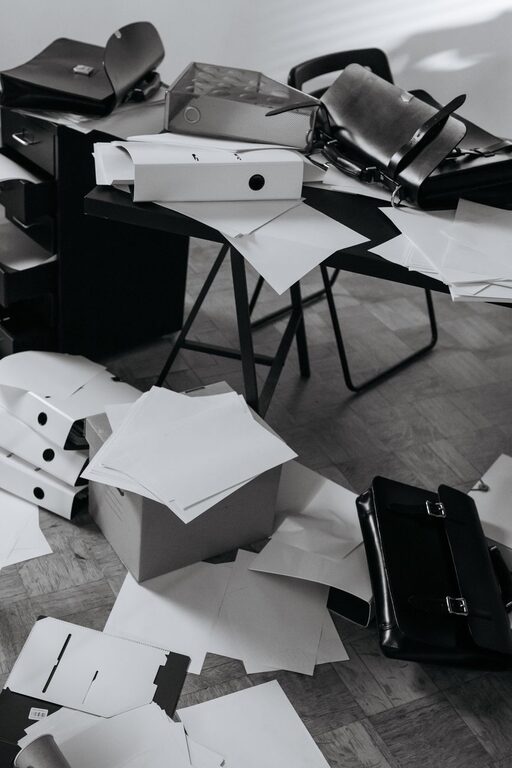
Paper clutter is a common challenge in many households. From bills and receipts to mail and school papers, the accumulation of paper can quickly lead to a messy and overwhelming environment. Fortunately, reducing paper clutter doesn’t have to be complicated or time-consuming. With a few simple habits and strategies, you can manage your paper more efficiently and create a more organized home. Here are some practical ways to get started.
Understand the Sources of Paper Clutter
Before tackling paper clutter, it’s important to identify where most of the paper comes from. Common sources include:
– Mail and junk mail
– Bills and statements
– Magazines and newspapers
– School papers and artwork
– Receipts and warranties
– Important documents like insurance or tax papers
Knowing what types of paper you accumulate the most can help you develop a targeted plan to reduce and organize it.
Sort and Purge Regularly
One of the most effective ways to manage paper clutter is to sort through it regularly. Set aside time weekly or biweekly to:
– Separate papers into categories: Keep, shred, recycle, or act on.
– Shred sensitive documents: Protect your personal information.
– Recycle junk mail and outdated papers: Dispose of these responsibly.
– File important papers: Use a simple but clear filing system.
Regular sorting keeps the piles from growing and prevents clutter from becoming overwhelming.
Go Digital Whenever Possible
A key strategy to reduce paper clutter is to switch to digital options. Consider these steps:
– Opt for electronic bills and statements: Most companies offer paperless billing.
– Scan important documents: Save digital copies on your computer or cloud storage.
– Use apps to organize receipts and notes: Digital tools can reduce the need for physical paper.
– Unsubscribe from unwanted mail: Cut down on coupons, catalogs, and flyers.
Going digital not only reduces physical clutter but can also improve your ability to find and manage documents.
Create a Simple Filing System
If you need to keep physical copies, a well-organized filing system makes a big difference. Keep it simple and easy to maintain:
– Use labeled folders or binders for different categories (e.g., bills, insurance, medical, school).
– Store frequently used documents in a handy location.
– Use color coding or tabs to find papers quickly.
– Regularly review and remove outdated documents.
A clear filing system reduces stress and saves time when searching for important papers.
Use Trays and Organizers for Incoming Paper
Managing incoming paper effectively prevents clutter from building up. Here are some tips:
– Set up an “inbox” tray or basket near your entryway or desk.
– Sort mail immediately—recycle junk mail, file important items, and set aside bills to pay.
– Consider a dedicated spot for school papers and kids’ artwork.
– Limit the number of trays to avoid creating new clutter zones.
By handling paper right when it arrives, you keep surfaces clear and maintain control.
Establish Daily and Weekly Paper Habits
Incorporating simple habits into your routine can keep paper clutter under control:
– Daily: Sort mail and paperwork, discard junk mail right away, file important items.
– Weekly: Pay bills, shred and recycle unneeded papers, clear your inbox trays.
– Monthly: Review files, archive or shred outdated papers.
Small, consistent efforts prevent clutter from piling up and make paper management less daunting.
Use Multifunctional Tools and Products
There are various tools that help manage paper clutter efficiently:
– Shredders: For securely disposing of personal documents.
– Label makers: Keep files and folders clearly marked.
– Desk organizers: Hold pens, papers, and office supplies neatly.
– Binders and sheet protectors: Store school papers or important documents neatly.
Investing in a few practical tools can simplify organization and maintain tidiness.
Encourage a Paper-Minimal Culture in Your Home
Finally, getting everyone on board with reducing paper clutter makes maintenance easier:
– Teach family members to sort mail and handle their own papers.
– Encourage digital communication when possible.
– Set limits on how much paper art or schoolwork to keep.
– Celebrate decluttering milestones to stay motivated.
A team effort helps create a paper-smart home where clutter is less likely to return.
—
Reducing household paper clutter is all about managing incoming papers, choosing digital options, and establishing simple routines. With these easy steps, you can enjoy a cleaner, more organized space that feels calm and welcoming. Start today with one small change, and watch your paper piles shrink over time!




More Stories