





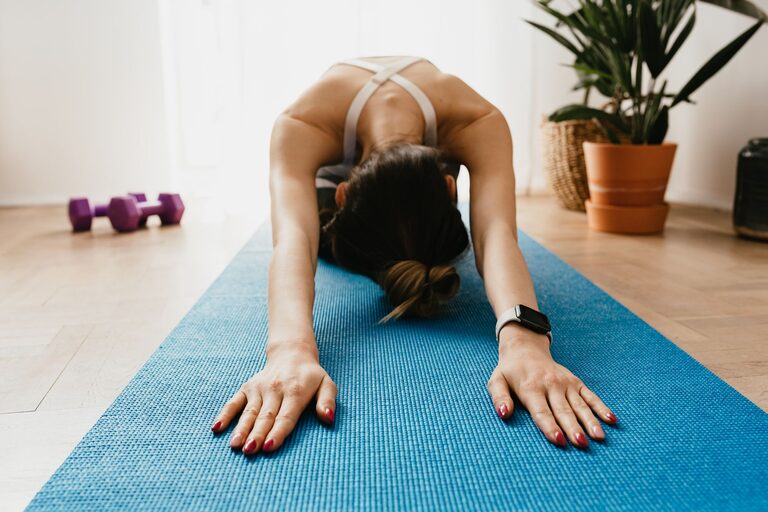
Stretching is an essential part of maintaining a healthy and active lifestyle. Whether you want to improve your flexibility, reduce muscle tension, or simply feel more energized, incorporating stretching into your daily routine can make a big difference. The best part? You don’t need a gym or special equipment to get started. This beginner’s guide will help you learn how to stretch safely and effectively at home.
Why Stretch at Home?
Stretching at home is convenient, cost-effective, and can easily fit into your schedule. It helps improve your range of motion, reduces the risk of injury, and can even relieve stress. Regular stretching also enhances blood flow to your muscles, which may aid recovery after physical activities.
Getting Started: Basic Tips for Beginners
Before you begin stretching, keep these simple tips in mind to make your practice safe and enjoyable:
– Warm up first. Stretching cold muscles can cause injury. Try 5-10 minutes of light activity, like walking or marching in place.
– Stretch gently. Move slowly into each stretch and avoid bouncing or forcing your body.
– Breathe deeply. Focus on slow, steady breaths to help your muscles relax.
– Hold stretches. Aim to hold each stretch for 15 to 30 seconds.
– Listen to your body. Stretch only to the point of gentle tension, never pain.
– Be consistent. Stretching just a few minutes every day can lead to better flexibility over time.
Essential Stretches to Try at Home
Here are some beginner-friendly stretches you can do without any special equipment. Perform each stretch on both sides when applicable.
Neck Stretch
– Sit or stand upright.
– Slowly tilt your head to the right, bringing your ear toward your shoulder.
– Hold for 20 seconds, then switch sides.
– This stretch helps relieve neck stiffness from sitting or screen time.
Shoulder Stretch
– Reach your right arm across your chest.
– Use your left hand to gently press your arm closer to your chest.
– Hold for 20 seconds, then swap arms.
– Great for loosening tight shoulders and upper back.
Chest Opener
– Clasp your hands behind your back.
– Straighten your arms and lift your chest while squeezing your shoulder blades together.
– Hold for 20–30 seconds.
– This stretch improves posture and counters slouching.
Seated Hamstring Stretch
– Sit on the floor with your legs extended straight.
– Slowly lean forward from your hips reaching toward your toes.
– Keep your back straight and hold the stretch for 20–30 seconds.
– Helps increase flexibility in your hamstrings and lower back.
Quadriceps Stretch
– Stand with feet hip-width apart.
– Hold onto a chair or wall for balance if needed.
– Bend one knee and grab your ankle or foot behind you.
– Gently pull your heel toward your buttock and hold for 20 seconds.
– Switch legs.
– This stretch targets the front of your thighs.
Cat-Cow Stretch (Spinal Flexion and Extension)
– Get on your hands and knees.
– Inhale as you arch your back and lift your head and tailbone (Cow).
– Exhale as you round your spine and tuck your chin (Cat).
– Repeat slowly 5 to 10 times.
– Helps promote spinal flexibility and release tension.
Calf Stretch
– Stand facing a wall.
– Place your hands on the wall at shoulder height.
– Step one foot back, keeping the heel on the floor.
– Lean forward slightly to feel a stretch in your calf muscle.
– Hold for 20–30 seconds and switch sides.
Creating a Simple Stretching Routine
You don’t need a long workout to experience the benefits of stretching. Here’s a sample routine you can try, which takes about 10 minutes:
- Warm up with light walking or marching (5 minutes)
- Neck stretch (20 seconds per side)
- Shoulder stretch (20 seconds per side)
- Chest opener (30 seconds)
- Seated hamstring stretch (30 seconds)
- Quadriceps stretch (20 seconds per leg)
- Cat-Cow stretch (5–10 reps)
- Calf stretch (30 seconds per leg)
Repeat this routine 3-5 times per week or daily for best results.
When to Stretch?
Stretching can be done at various times throughout the day:
– Morning: Helps wake up your body and improve circulation.
– Before exercise: Prepares muscles for movement (focus on dynamic stretches).
– After exercise: Helps cool down and reduce muscle soreness.
– Evening: Relaxes your muscles and can promote better sleep.
Avoid These Common Stretching Mistakes
– Stretching cold muscles without warming up first
– Bouncing or jerking while stretching
– Holding your breath during stretches
– Pushing into pain rather than gentle tension
– Neglecting consistency
By avoiding these errors, you’ll enjoy a safer and more effective stretching experience.
Final Thoughts
Starting a stretching routine at home is a wonderful way to improve your flexibility, ease muscle tightness, and enhance your overall wellness. With just a little time and patience, you can build a habit that supports your body every day. Remember, the key is to listen to your body and stretch mindfully. So roll out your yoga mat, find a comfortable spot, and begin your journey to a more flexible and relaxed you!




More Stories