




Composting is a wonderful way to reduce household waste and create nutrient-rich soil for your garden. If you’re new to composting, it might seem a bit overwhelming at first, but with the right approach, it can be simple and rewarding. This guide offers beginner tips to help you start composting at home successfully.
What Is Composting?
Composting is the natural process of recycling organic matter, such as food scraps and yard waste, into a valuable fertilizer that enriches soil and plants. Instead of sending these materials to a landfill, composting breaks them down into a dark, crumbly material that gardens love.
Why Compost at Home?
– Reduces waste: Composting cuts down on the amount of trash sent to landfills.
– Improves soil health: Compost enriches soil with nutrients, improving plant growth.
– Saves money: Reduce the need for chemical fertilizers and soil conditioners.
– Supports the environment: Composting lowers greenhouse gas emissions by reducing organic waste.
Getting Started: Choose a Compost Bin or Pile
Before you begin, decide where and how you want to compost.
Compost Bin Options
– Tumbler bins: Easy to turn and aerate but usually smaller.
– Stationary bins: Larger capacity but require manual turning.
– DIY piles: No container needed, suitable for large yards.
Pick a spot that is convenient, well-drained, and partially shaded.
What Can You Compost?
Compostable materials fall into two main categories: “greens” and “browns.”
Greens (Nitrogen-rich materials)
– Fruit and vegetable scraps
– Coffee grounds and filters
– Fresh grass clippings
– Tea bags (without synthetic materials)
– Plant trimmings
Browns (Carbon-rich materials)
– Dry leaves
– Straw or hay
– Shredded paper and cardboard
– Wood chips or sawdust (untreated)
– Eggshells (crushed)
Avoid composting meat, dairy, oily foods, pet waste, and diseased plants as they can attract pests or cause odors.
Tips for Successful Composting
1. Maintain the Right Balance
Aim to mix roughly 2 to 3 parts browns to 1 part greens. Browns provide carbon, while greens provide nitrogen. This balance supports microbial activity and speeds up decomposition.
2. Chop or Shred Materials
Smaller pieces break down faster. Chop kitchen scraps and leaves before adding them to your compost.
3. Turn Your Pile Regularly
Aeration is key to healthy compost. Turn your compost every 1-2 weeks to introduce oxygen and prevent odors.
4. Monitor Moisture Levels
Compost should be about as damp as a wrung-out sponge. If it’s too dry, add water. If it’s too wet, add more brown materials and turn it.
5. Be Patient
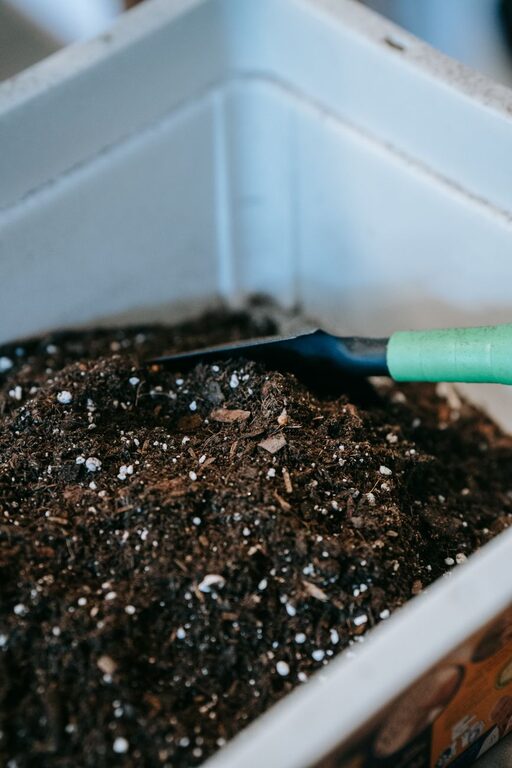
Composting can take anywhere from two months to a year, depending on conditions. Finished compost is dark, crumbly, and smells earthy.
Common Composting Challenges and Solutions
| Problem | Cause | Solution |
|——————|————————-|———————————|
| Bad odor | Too much green or wet | Add browns and turn pile |
| Slow decomposition| Too dry or cold | Add water, move pile to sun |
| Pests | Meat or oily food added | Remove offending items, use sealed bin |
| Compost pile too small| Limited heat retention | Add more material or insulate bin |
How to Use Finished Compost
Once your compost is ready, you can:
– Mix it into garden beds to improve soil structure.
– Use as mulch around plants to retain moisture.
– Add to potting mixes for container gardening.
– Topdress lawns to nourish grass.
Final Thoughts
Starting composting at home is a simple step towards a greener lifestyle. By following these beginner tips, you’ll turn everyday organic waste into a valuable resource for your garden. Remember, perfect composting takes time and practice, so don’t be discouraged by initial challenges. Soon, you’ll enjoy the benefits of rich, natural soil that helps your plants thrive.
Happy composting!



More Stories