





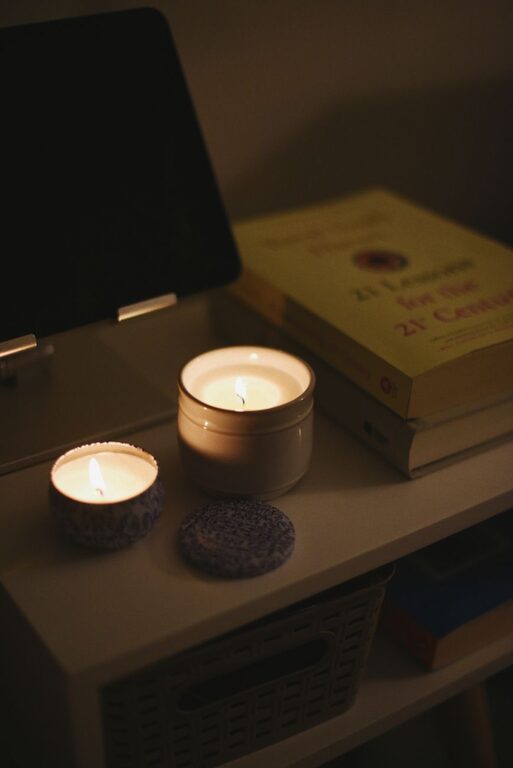
Creating a calmer evening routine can make a significant difference in how you feel at the end of the day. When the day’s busyness starts to fade, having a few small habits in place can help you relax, reduce stress, and prepare for restful sleep. The best part is that these changes don’t require a major overhaul—just simple adjustments that fit easily into your life. Let’s explore practical ideas to help you wind down peacefully each evening.
Why a Calm Evening Routine Matters
Evenings are a crucial time to transition from the active pace of the day to a state of rest. A calming routine:
– Signals your body that it’s time to relax
– Helps lower stress hormone levels
– Improves the quality of your sleep
– Encourages mindfulness and emotional balance
By adopting a few mindful habits, you can create a buffer between daytime stress and restful sleep, leading to improved overall well-being.
Start with Setting a Consistent Bedtime
One of the simplest ways to improve your evening is by going to bed at the same time every night. Consistency helps regulate your body’s internal clock and makes falling asleep easier.
Tips for establishing a bedtime:
– Choose a time that allows 7-9 hours of sleep based on your needs
– Set a reminder or alarm to signal when it’s time to start winding down
– Avoid going to bed too early or too late on weekends to maintain rhythm
Dim the Lights and Create Soothing Ambiance
As the evening progresses, lowering the brightness in your home encourages your brain to produce melatonin, the hormone that promotes sleepiness.
– Switch off harsh overhead lights and use lamps or candles
– Consider warm-toned lighting options or smart bulbs with dimming features
– Keep screens like TVs, computers, and smartphones off or at low brightness to avoid blue light exposure
Unplug from Screens Earlier
Digital devices emit blue light which can interfere with your ability to fall asleep. Try to limit screen time at least 30-60 minutes before bed.
Ideas for screen-free time:
– Read a physical book or magazine
– Listen to calming music or an audiobook
– Do a quiet hobby like drawing, knitting, or journaling
Incorporate Gentle Movement
Light physical activity can help your body release tension accumulated during the day.
– Practice gentle yoga stretches focused on relaxation
– Take a short evening walk to enjoy fresh air and calm your mind
– Try deep breathing or mindful movement exercises to center yourself
Create a Simple Self-Care Ritual
Adding a calming ritual can signal to your mind that it’s time to slow down.
– Take a warm bath or shower to relax muscles
– Use essential oils like lavender or chamomile in a diffuser or bath
– Apply a soothing lotion or do gentle face massage
Practice Mindfulness or Meditation
Even a few minutes of mindfulness or meditation can help ease anxiety and quiet your thoughts.
Try these approaches:
– Focus on your breath, noticing each inhalation and exhalation
– Use guided meditation apps designed for sleep or relaxation
– Practice gratitude by reflecting on positive parts of your day
Avoid Heavy Meals and Caffeine Late in the Day
What you eat and drink in the evening can affect your comfort and sleep quality.
– Finish eating at least 2-3 hours before bedtime
– Avoid caffeine and other stimulants after mid-afternoon
– Choose light, easily digestible snacks if you need something before bed
Prepare Your Space for Restful Sleep
Your bedroom environment plays an important role in how well you relax and sleep.
– Keep your room cool, quiet, and dark
– Use comfortable bedding and pillows
– Remove distractions or work-related items
Keep a “To-Do” List for Tomorrow
Sometimes, racing thoughts about tasks can keep you awake. Writing down your plans or worries before bed helps clear your mind.
– Spend 5 minutes jotting down your tasks or reminders
– Note any ideas or concerns so you don’t have to hold onto them mentally
– Use this list as a tool to organize your thoughts for the next day
Be Patient and Adjust Gradually
Adjusting your evening routine is a process, not a one-time fix. Try incorporating one or two of these small changes at a time and observe how they affect your relaxation.
Remember:
– Everyone’s preferences and schedules are different; find what works best for you
– Consistency is key for building habits
– If you miss a step occasionally, don’t stress—just get back on track the next day
Conclusion
A calmer evening routine doesn’t have to be complicated or time-consuming. With small, thoughtful adjustments—like dimming the lights, unplugging from devices, practicing mindfulness, and creating a restful environment—you can cultivate peace and prepare your body and mind for a good night’s sleep. Start small, be kind to yourself, and enjoy the gentle transition to calm each evening. Your future self will thank you!




More Stories